

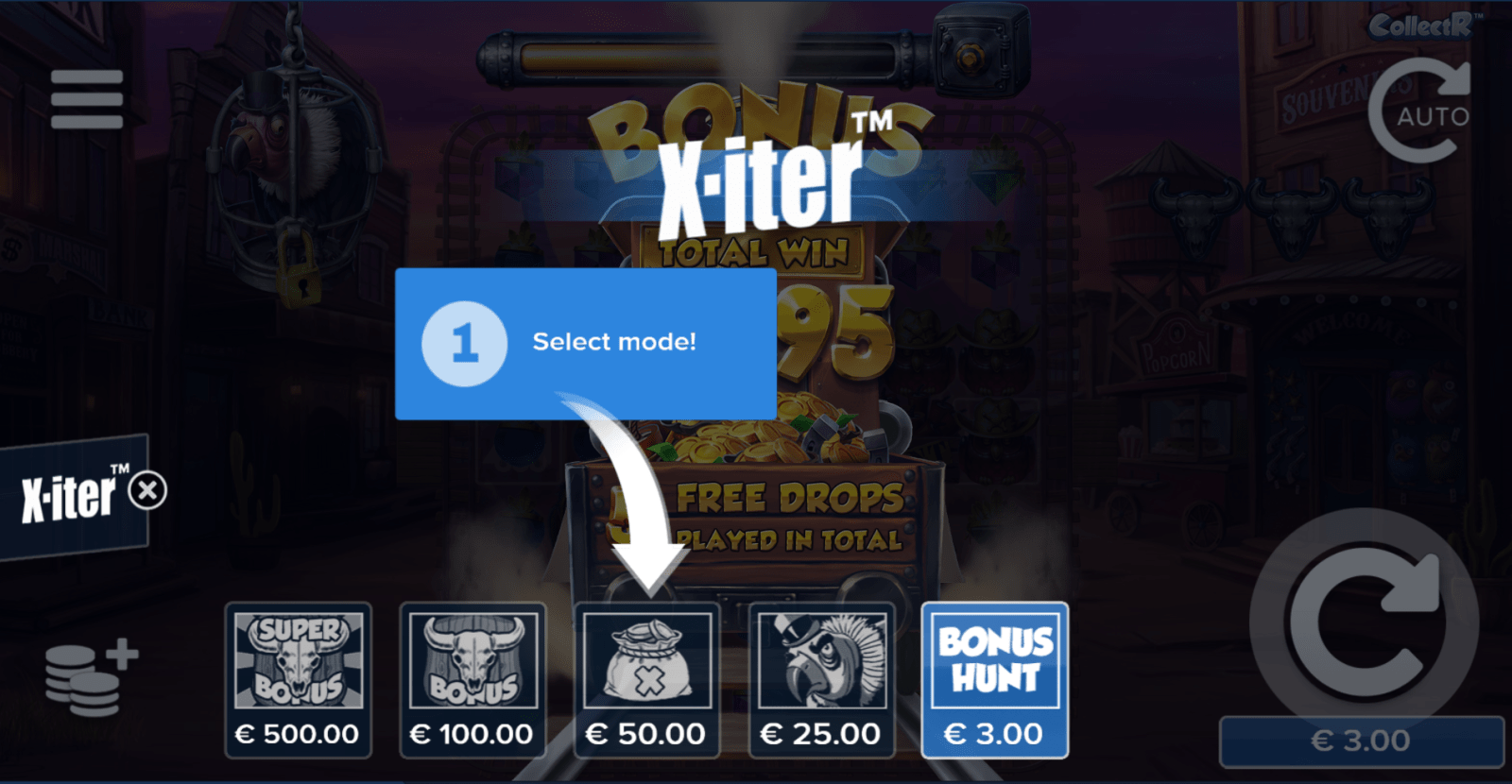
I consider Pirots as a slot title, not a casino brand. That matters when you contrast versions. The name might indicate the original ELK Studios release, a sequel like Pirots 2 or Pirots 3, a demo build, or a real-money build tweaked for a specific market. The parrot-collection core remains familiar, but the grid, volatility, max-win cap, and feature rules can vary. I always look at the title screen and paytable before I decide what I’m looking at.
What Counts as a Pirots Version?
In practice, “release” can mean three things. It could be a separate game in the series, like the original Pirots versus Pirots 2 or Pirots 3. It could be a demo build that uses virtual credits instead of real money. Or it could be a localised setup with a varying language wrapper, bet range, or RTP setting. I untangle those layers before I evaluate anything.
The quickest way to identify the version is to open the game rules or paytable, not just the landing page pirotsdemo.dk. I check the game name, provider, grid size, RTP, maximum win, and feature list. If the title says Pirots but the grid and feature meters don’t match the original, I consider it’s a sequel or a distinct build until the paytable informs me otherwise.
Layout, Rows, and Methods to Win
The first Pirots employs a 5×5 layout and pays by clusters, not left-to-right paylines. That indicates I’m hunting for connected matching symbols, not tracking fixed lines. The follow-ups extend the play area, which modifies the number of possible connections and how the parrot wilds can move through the board. I verify the grid size in the paytable before contrasting hit frequency.
Cluster pays modifies the atmosphere because a win can appear anywhere on the board if the symbols connect. There are no traditional paylines to commit to memory, but there are nevertheless symbol values and minimum cluster sizes. I check the minimum cluster rule and the maximum symbol values at the start, then I observe how often the parrot effects convert a near-miss into a real collection moment.
Bonus Features: What Differs Across Versions
Every Pirots version keeps some form of parrot wild, gem collection, and feature trigger, but the details aren’t identical. The original preserves the loop comparatively readable. The sequels add more collection stages, stronger multipliers, or extra feature paths. I read the bonus rules before I spin because a feature that looks familiar can behave differently once the meters start filling.
The differences appear in how the wilds move, what the scatters trigger, and whether multipliers are applied to the whole win or only part of it. I also confirm whether free spins can be retriggered and whether the collection state transfers between spins. Those details count more than the marketing name because they dictate how the volatility actually settles in play.
- Parrot wilds: traveling or gathering wild symbols tied to gem colours.
- Scatters: symbols that activate free spins or a collection state.
- Multipliers: boosts that may apply in the base game or bonus only.
- Collection meters: progress that can upgrade a feature or grant rewards.
- Max-win cap: the ceiling that is in effect to the version you are playing.
Localised Editions
A test version of Pirots employs virtual credits and typically reflects the provider’s math model, but it doesn’t affect account balances, deposits, or withdrawals. That renders it the most secure way to contrast grid size, feature pacing, and bet limits. I apply demo play to test whether I grasp the parrot collection rules before I examine any real-money version of the same title.
A real-money build can differ from the demo in practical ways even when the reels look identical. The bet range may be restricted, autoplay may be limited, and the RTP configuration might be lower than the provider’s default. A Denmark-facing page could also show a Danish-language wrapper around the same game. I check the game info panel instead of taking for granted the wrapper tells me the math.
- Verify the game title and provider name first.
- Access the paytable and confirm the RTP figure.
- Observe the grid size and whether wins are cluster-based.
- Confirm the bet range and maximum win cap.
- Read the feature rules for wilds, scatters, and collection meters.
Denmark-oriented Checks Without Treating Pirots as a Casino
For those opening a Denmark-facing page, the wrapper may be in Danish while the slot itself features English or a mix of languages. That does not affect what Pirots is: a single slot game from ELK Studios. Account creation, payments, and site-level promotions are tied to the site hosting the game, not to Pirots itself. I keep that separation clear when I compare versions.
The Denmark angle is relevant mainly because the page could serve a demo build, a localised real-money build, or a version with a different RTP configuration. I review the game info panel for the exact RTP, bet range, and max win instead of relying on the page headline. If the panel does not display the figure I need, I consider that as a reason to pause, not guess.
Wager Range and Max Win: What to Check
Stake range is where version drift becomes concrete. The first Pirots often starts at a low stake and extends to a mid-range maximum, but the sequels can use different limits. A localized build may reduce the range further. I verify the lowest and highest bet in the game screen before I plan a session, because a version that looks identical can price me out of the feature pursuit.
Top prize merits its own check because the headline figure can refer to a capped payout, not a standard result. I ascertain whether the cap is 10,000x, 25,000x, or another amount in the specific version, and I read whether the cap applies to one spin or a feature round. I never presume a higher cap means a better session. It generally means the game is more volatile.
Original Pirots: The Baseline Version
The first Pirots is my benchmark for every comparison. It’s an ELK Studios slot on a 5×5 grid with cluster wins, not fixed paylines. The published RTP usually stands at 94%, volatility is high, and the advertised max win is 10,000x the bet. I check those numbers first because later versions don’t automatically carry them over.
The signature is the parrot wild system. These aren’t static wilds that just substitute for symbols. They engage with the gem symbols, moving or collecting in ways that reshape the board. The exact collection rules and thresholds are in the paytable. I favor the original because the core loop is more straightforward to read than the sequels, especially when I’m testing a demo build.
Bet sizing on the original usually starts low and runs to a mid-range maximum, with exact limits shown in the game panel. I never assume Pirots 2 or Pirots 3 will share the same bet range. The original also feels less cluttered with features, which makes it a useful baseline when I want to grasp what the parrot collection mechanic is actually doing.
Pirots 3: The Most Recent Layer
Pirots 3 is the latest evolution of the family, not a patch for the original. It pushes the board and feature structure further, and the advertised max win is higher than the earlier releases in the versions I’ve reviewed. I still verify the grid, RTP, and cap in the paytable because regional builds can differ from the headline marketing numbers.
The most recent build isn’t automatically the top for every player. A larger grid and more layered collection mechanics might appeal to someone chasing a more volatile session, but they can seem cluttered if you just desire the cleaner original loop. I weigh the number of feature states, the bet range, and the max-win cap before determining which version fits my session.
RTP, Fluctuation, and Max Win Across Versions
RTP is the initial number I check because it shows me the theoretical return over the long run, not what a single session will award. The original Pirots is commonly published around 94%, and the sequels usually fall in a similar headline range. I still check the paytable because operators can https://www.thestar.com/news/world/united-states/2-killed-when-small-plane-crashes-after-takeoff-from-long-island-airport/article_6f02bb19-75da-5842-b13b-f83a28b4f7f0.html provide lower RTP configurations, and a localised build may not match the version I evaluated elsewhere.
Volatility changes how the same RTP plays. In my experience, Pirots is a high-volatility family, with long intervals between meaningful wins and a heavy reliance on feature states. The sequels can seem even more intense because more of the return is focused in collection progress and bonus triggers. I don’t compare versions by RTP alone. I measure how often the board generates a real cluster and how often the parrot effects trigger.
Max win is a cap, not a pledge. The original Pirots commonly shows 10,000x. Later versions raise the cap in the builds I’ve seen. That higher cap usually appears with a more volatile framework, so I don’t view it as free upside. I verify whether the cap applies to the base game, the bonus state, or both, and I verify the exact wording in the game rules.
How to Play Pirots Stepwise
I follow the identical routine every time I launch a Pirots version for the initial time. It stops me from confusing the initial with a successor or a trial with a actual money release. The actions are simple, but they spare time since the series features a look while masking crucial differences in the rules panel.
- Open the game and confirm the name, provider, and version name.
- Read the payout table for RTP, volatility, field size, and max win.
- Set a wager that fits the displayed lower and upper bounds.
- Spin by hand initially and see how parrot wilds and clusters behave.
- Open the special rules and confirm distribution and multiply behavior.
- Switch to practice or real-money play solely after you grasp the build.
Pirots 2: The Sequel Change
Pirots 2 is not a reskin. In the releases I’ve seen, it retains the cluster-pay and parrot collecting identity but expands the playing field and increases the advertised max win. The sequel usually appears more volatile because more of the payout is packed into feature states and collection progress. I check the paytable before taking for granted the original’s 10,000x cap still holds.
The bigger grid alters how clusters form and how regularly the parrot effects link. More cells can result in more symbol combinations, but it can also render the main game feel streakier. I view a demo session for enough time to notice how regularly the gathering meters advance and how regularly the bonus condition actually fires. That tells me more than a individual headline RTP number.
Feature stacking is where Pirots 2 distinguishes itself. The follow-up introduces extra stages, upgraded collection states, or bigger multipliers tied to the parrot wilds. I don’t treat those as cosmetic. They modify the pace and the importance of landing the proper feature at the proper time. The game rules panel is the only place I depend on for the specific sequence.
What Pirots Version Would One Try?
I’d kick off with the original Pirots in demo mode if I wanted the most straightforward read on the parrot-collection mechanic. It gives me the baseline grid, volatility, and feature rhythm without the extra layers of the sequels. Once I comprehend how the wilds and collection states work, I can contrast Pirots 2 and Pirots 3 with a more precise eye and a stronger sense of the risk.
If I prefer a more volatile session and a larger advertised cap, I’d try the newer sequels in demo mode first. I would not choose Pirots 3 just because it’s the latest. I’d select it if the larger board and extra feature layers align with the session I want. The right version is the one whose RTP, bet range, and max win I’ve really confirmed in the paytable.
Common Mistakes When Evaluating Pirots Releases
The most frequent mistake is assuming every Pirots title features the original’s 5×5 grid, 94% RTP, and 10,000x cap. The sequels modify enough of the structure that those assumptions break quickly. Another mistake is treating a demo build as proof of the real-money configuration. I examine the paytable in the exact build I’m playing, not the version I recollect from a review.
- Assuming the original and sequels have the same max-win cap.
- Neglecting the RTP figure because the theme looks identical.
- Comparing demo play with a real-money build without reviewing limits.
- Treating site-level promotions as if they belonged to Pirots.
- Expecting the same bet range across every regional version.
Final Checklist Ahead of You Spin
Ahead of I spin any Pirots version, I verify five things: the exact title, the provider, the RTP in the paytable, the bet range, and the maximum win cap. I also verify whether I’m in a demo or real-money build and whether the page is showing a localised wrapper. Those checks take a minute and avoid most version confusion.
The title promises version differences, and the practical answer is that Pirots is a family of slot games, not one fixed product. The original offers you the baseline, the sequels add scale and volatility, and demo or localised builds can change the practical limits. I assess the build in front of me, not the name alone. That’s how I keep the versions straight.